












The Aga Khan University Hospital Calls for Comprehensive, Community-Wide Approach to Autism Spectrum Disorder Support
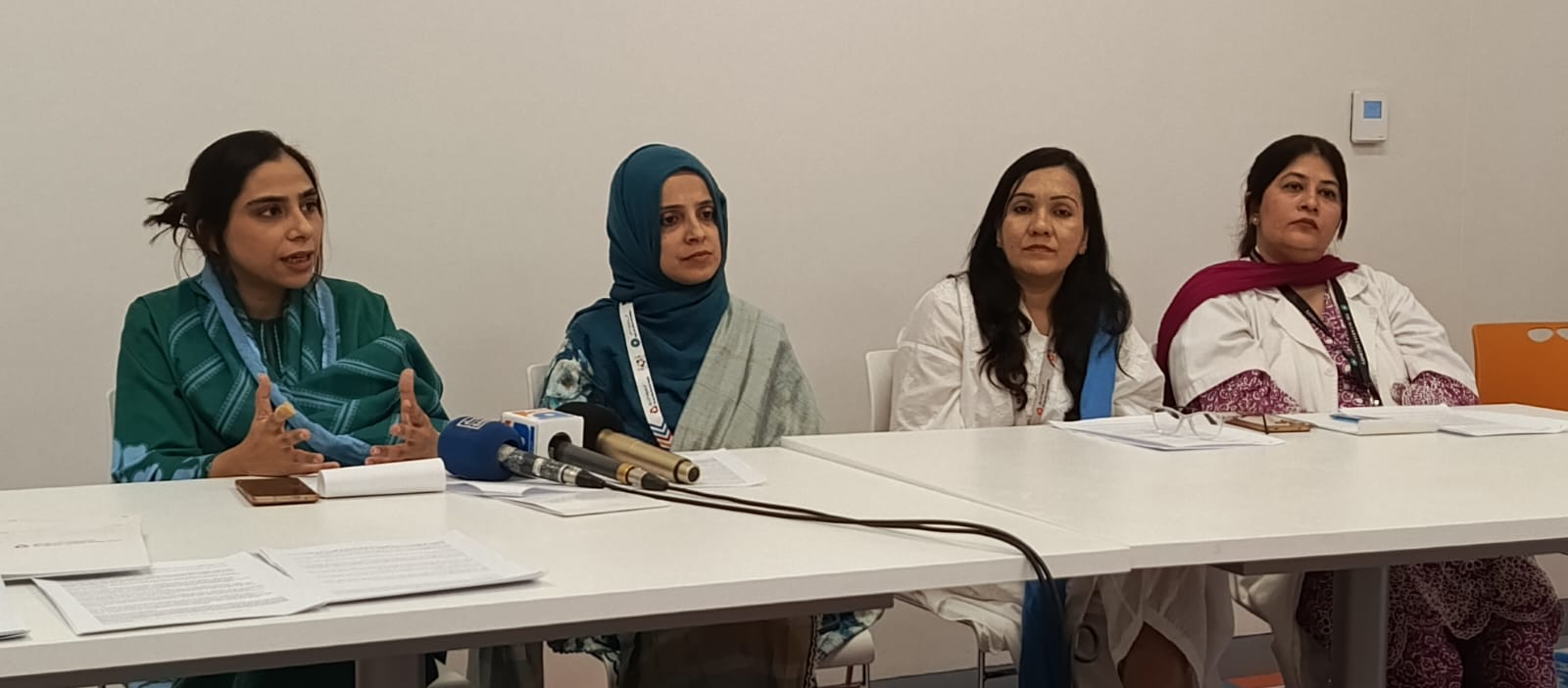
The Aga Khan University Hospital brought together developmental paediatricians, speech and language therapists, and child psychiatrist to address a growing concern: children with autism spectrum disorder in Pakistan are being identified late, and families are navigating the journey largely without adequate guidance or support.
The media roundtable, held under the theme Rethinking Autism Spectrum Disorder Support, opened with a question that framed the entire discussion: therapies are important, but are they enough on their own?
According to the World Health Organisation, approximately 1 in 127 children globally are diagnosed with Autism Spectrum Disorder. In Pakistan, national surveillance data remains limited but increasing numbers of children are being identified through clinical services, particularly in urban centres. An ongoing study at AKUH, in which 5,445 children were screened, found that many cases are concentrated in middle-income settings, pointing to gaps in awareness and access across income groups.
“The biggest challenge we face is not just late diagnosis. It is the silence around it,” said Professor Shahnaz Ibrahim, Professor and Section Head of Paediatric Neurology at Aga Khan University Hospital. “Families come to us not knowing what autism spectrum disorder is, not knowing what support exists, and in many cases having been told to wait and see. That window of time is precious, and we cannot afford to lose it.”
Panellists noted that misconceptions surrounding autism spectrum disorder remain a significant barrier. It is a neurodevelopmental condition, not a disease, and is not caused by vaccines, poor parenting, screen time alone, or spiritual factors. It affects brain development related to communication, social interaction, and behaviour, and its signs can appear as early as the first year of life.
A key message to emerge from the discussion was that intervention must extend beyond the clinic. Drawing on the F-words of Child Development, a framework rooted in the WHO International Classification of Functioning, panellists emphasised that meaningful support for a child with autism spectrum disorder must address Function, Fitness, Family, Friends, Fun, and Future. Therapy is one part of that picture. Inclusive education, peer connection, family wellbeing, and community participation are equally essential.
“We want parents to know that early action changes outcomes,” said Dr Sidra Kaleem, Associate Professor at the Section of Paediatric Neurology, the Aga Khan University Hospital. “Supporting a child with autism spectrum disorder is not the responsibility of the clinic alone. It requires the family, the school, and the community to work together. That is the only approach that truly works.”
Panellists called on schools, healthcare providers, and policymakers to prioritise routine developmental screening, expand access to trained specialists beyond major urban centres, and create environments where families feel safe to seek help without fear of stigma or judgement.