



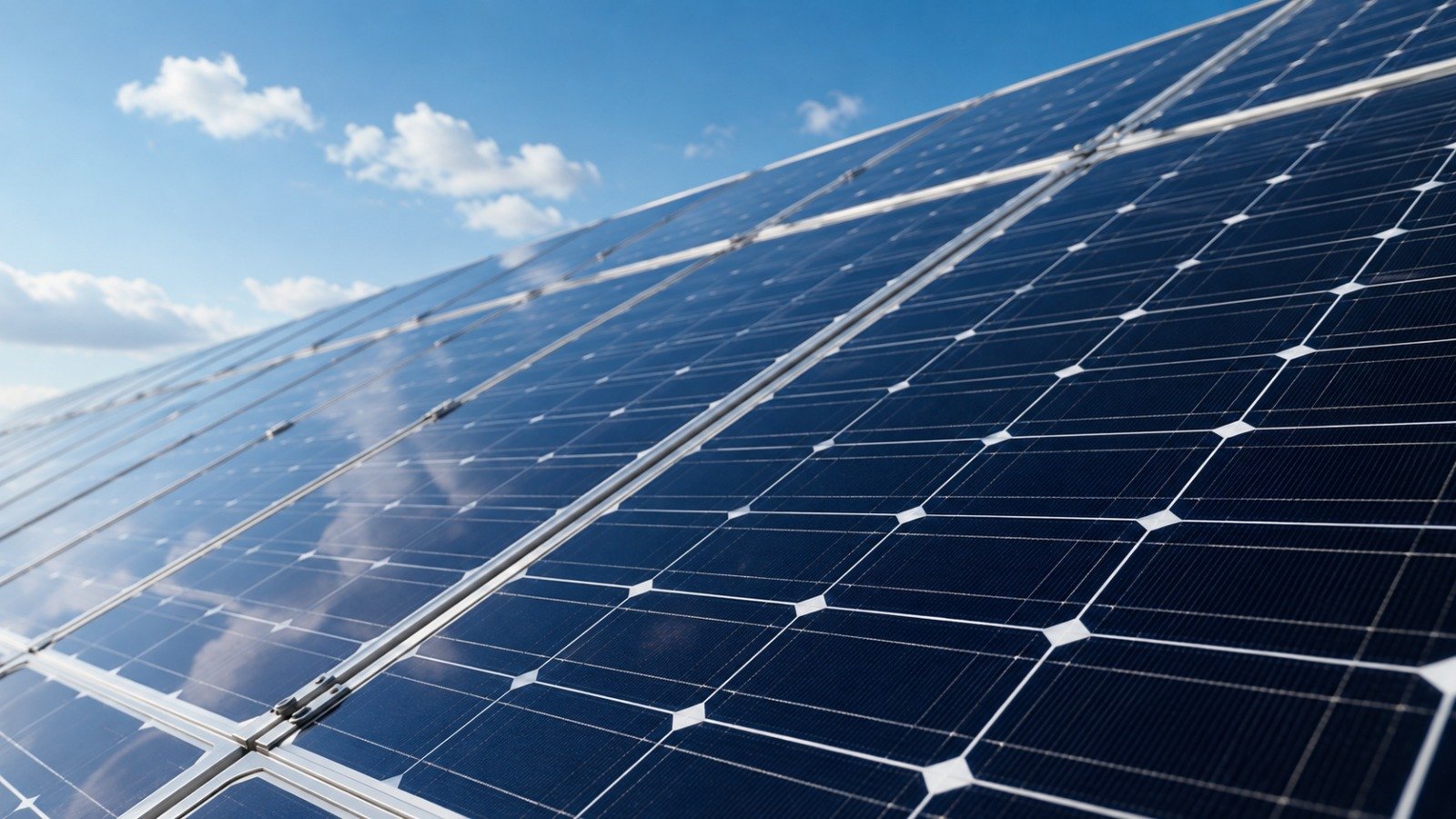
Pakistan’s next energy transition will not be measured only by the number of solar panels installed, but by how intelligently that electricity is stored, managed and used.
Pakistan’s solar transformation is no longer an emerging trend. It is now visible across residential rooftops, commercial buildings, agricultural facilities and industrial units. Solar has moved from being an alternative source of electricity to becoming an important part of how consumers manage rising energy costs and unreliable power supply.
The scale of this transition is significant. According to the Pakistan Economic Survey 2025–26, net-metering capacity increased from 2,813 MW during July–March FY2025 to 7,319 MW during July–March FY2026. This sharp expansion demonstrates that the country has largely moved beyond the question of whether solar will be adopted. The more important question is now how Pakistan can extract greater value from the solar systems it has already installed.
During the first phase of Pakistan’s solar growth, the main attraction was simple: generate cheaper electricity during daylight hours and reduce dependence on the grid. That model has delivered considerable value, particularly as electricity tariffs have increased and imported fuels have remained vulnerable to international price movements.
However, solar generation alone cannot address every energy challenge.
Factories, offices, retail businesses, hospitals and data-driven operations do not stop working when sunlight declines. For many businesses, substantial electricity demand continues into the late afternoon or evening, when solar generation is falling. Grid interruptions can also occur at any time, forcing businesses to rely on diesel generators or accept production losses, missed deadlines and disruption to essential operations.
This is where Pakistan’s solar success story begins to enter its next phase: solar combined with battery energy storage systems, or BESS.
From Generating Electricity to Managing Energy
A solar-plus-storage system allows electricity generated during the day to be stored and used later. Instead of allowing excess solar power to remain unused or sending all of it back to the grid, consumers can retain a portion of that electricity for evening demand, peak-tariff periods or grid disruptions.
For households, this means greater self-consumption and improved backup power. For commercial and industrial users, the potential value is even greater.
Energy storage can help businesses reduce peak demand from the grid, manage time-of-use electricity costs and maintain critical operations during outages. It can also reduce the frequency and duration of generator use, lowering exposure to diesel costs, fuel-supply disruptions and maintenance expenses.
Pakistan’s dependence on imported petroleum products continues to expose the economy to inflation, higher import bills and international supply volatility. For businesses, reducing fuel-dependent backup generation is therefore not only an environmental decision; it is increasingly becoming a matter of cost management and operational resilience.
The potential of combining solar with storage is already being recognised within Pakistan’s energy planning. The Pakistan Economic Survey 2025–26 reports that the Private Power and Infrastructure Board and the Power Division conducted a preliminary sizing analysis for a proposed system in Gwadar covering 24 pumping stations and one water desalination plant.
The proposed configuration combines 9.7 MW of solar photovoltaic capacity with 18.26 MWh of battery storage and is expected to generate annual savings of approximately Rs987 million, with an estimated payback period of 2.7 years.
This example illustrates a wider point: storage is not merely an emergency backup system. When properly designed, it can become an active financial and operational asset.
Why Integration Will Matter
As solar-plus-storage adoption grows, Pakistan must avoid treating batteries, solar modules, inverters, energy-management software and safety systems as unrelated components.
Commercial and industrial projects often involve equipment supplied by multiple vendors. When these components are not designed to work together, businesses can face lower system efficiency, complicated commissioning, fragmented warranties and uncertainty over responsibility when technical problems occur.
The next generation of energy systems will therefore need to be integrated from the beginning. Solar generation, battery management, power conversion, thermal control, safety monitoring and energy-management software must operate as one coordinated system.
This is the approach behind LONGi ONE, LONGi’s integrated solar-plus-storage ecosystem. Globally introduced in 2026, the portfolio brings solar generation and intelligent energy storage together within a unified architecture, rather than requiring project owners to assemble separate systems from multiple suppliers.
The portfolio includes Hi-MO One Pro for commercial and industrial applications, OneBank 2.0 and OneMatrix 2.0 for larger projects, and OneNexus for off-grid or weak-grid environments. Its energy-management and power-conversion platforms are designed to coordinate electricity generation, storage, grid supply and consumption according to the requirements of each site.
For Pakistan, the significance of solutions such as LONGi ONE is not simply the addition of batteries to an existing solar installation. It is the ability to transform intermittent daytime generation into a more predictable, manageable and dependable source of electricity.
The Next Measure of Solar Success
Pakistan’s first solar era was driven largely by affordability. Consumers installed panels because grid electricity was becoming expensive and solar equipment was becoming more accessible.
The storage era will be driven by reliability, intelligence and control.
Businesses will increasingly judge an energy system not only by how much electricity it generates at noon, but by whether it can reduce peak costs, support operations after sunset, respond during grid interruptions and deliver consistent performance over its full lifecycle.
Solar panels have helped many Pakistani consumers become electricity producers. Energy storage can now help them become more intelligent energy managers.
Pakistan’s solar journey is therefore not slowing down. It is evolving, from installing generation capacity to building complete energy systems, and from producing cheaper electricity to ensuring that clean power is available when homes, businesses and industries need it most.





Leave a Reply