



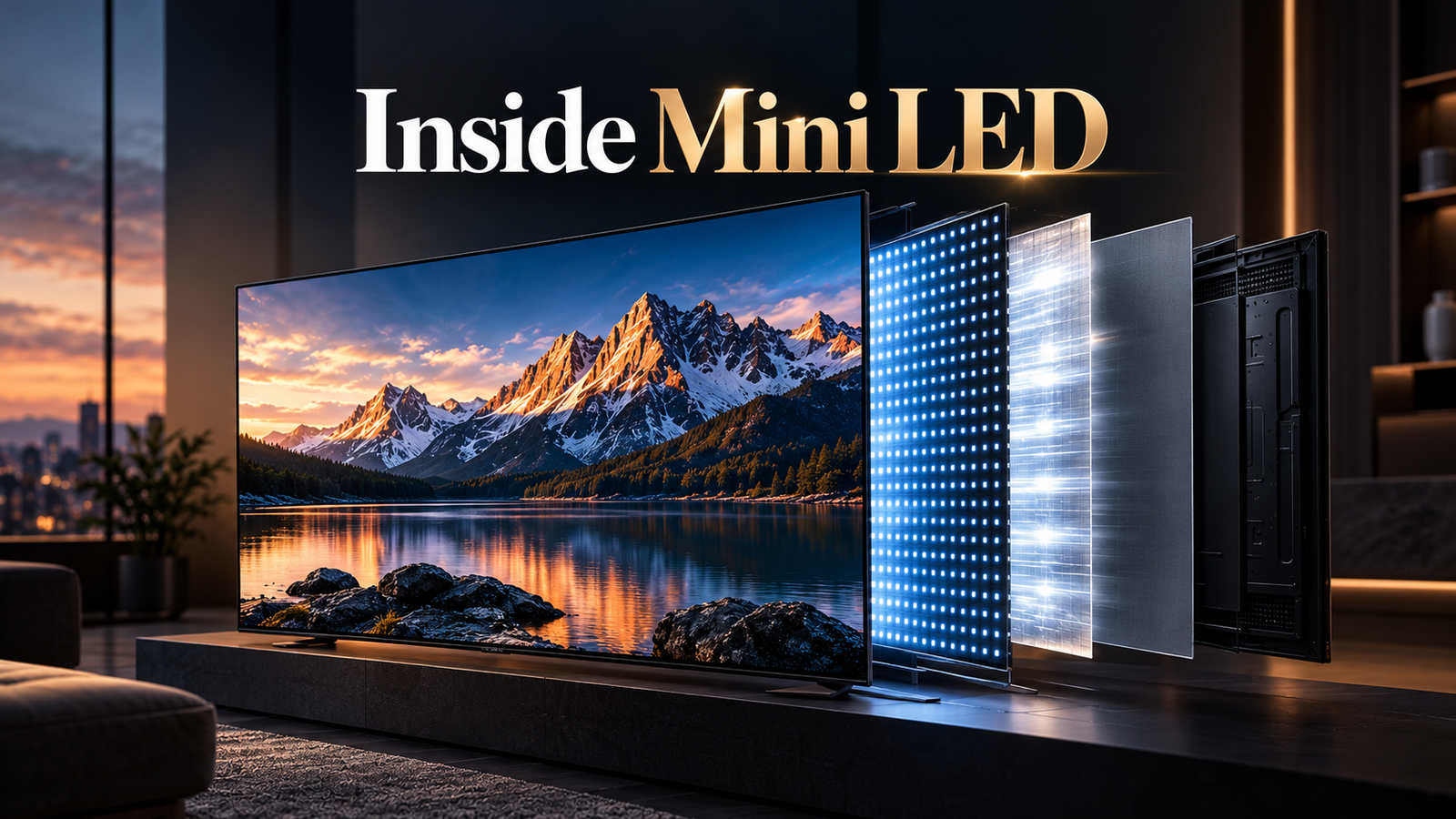
Mini LED is becoming a much larger part of the television market. Omdia reported that Mini LED televisions accounted for 13% of global TV shipments in the second quarter of 2026. As adoption grows, the conversation around the technology also needs to mature.
Lahore, The growth of Mini LED has made the technology name increasingly familiar to television buyers. But as adoption expands, the label itself tells only part of the story.
Mini LED describes the light source used behind an LCD panel. It does not explain how that light is arranged, divided or controlled. Those implementation choices can have a meaningful influence on contrast, black-level performance, highlight control and the visibility of blooming in challenging scenes.
As the category matures, consumers therefore need a clearer way to understand what sits behind the Mini LED name.
From presence to performance
That is why the best way to choose a television is to look past the technology name and judge it by how it performs. For Mini LEDs, three factors provide a practical starting point.
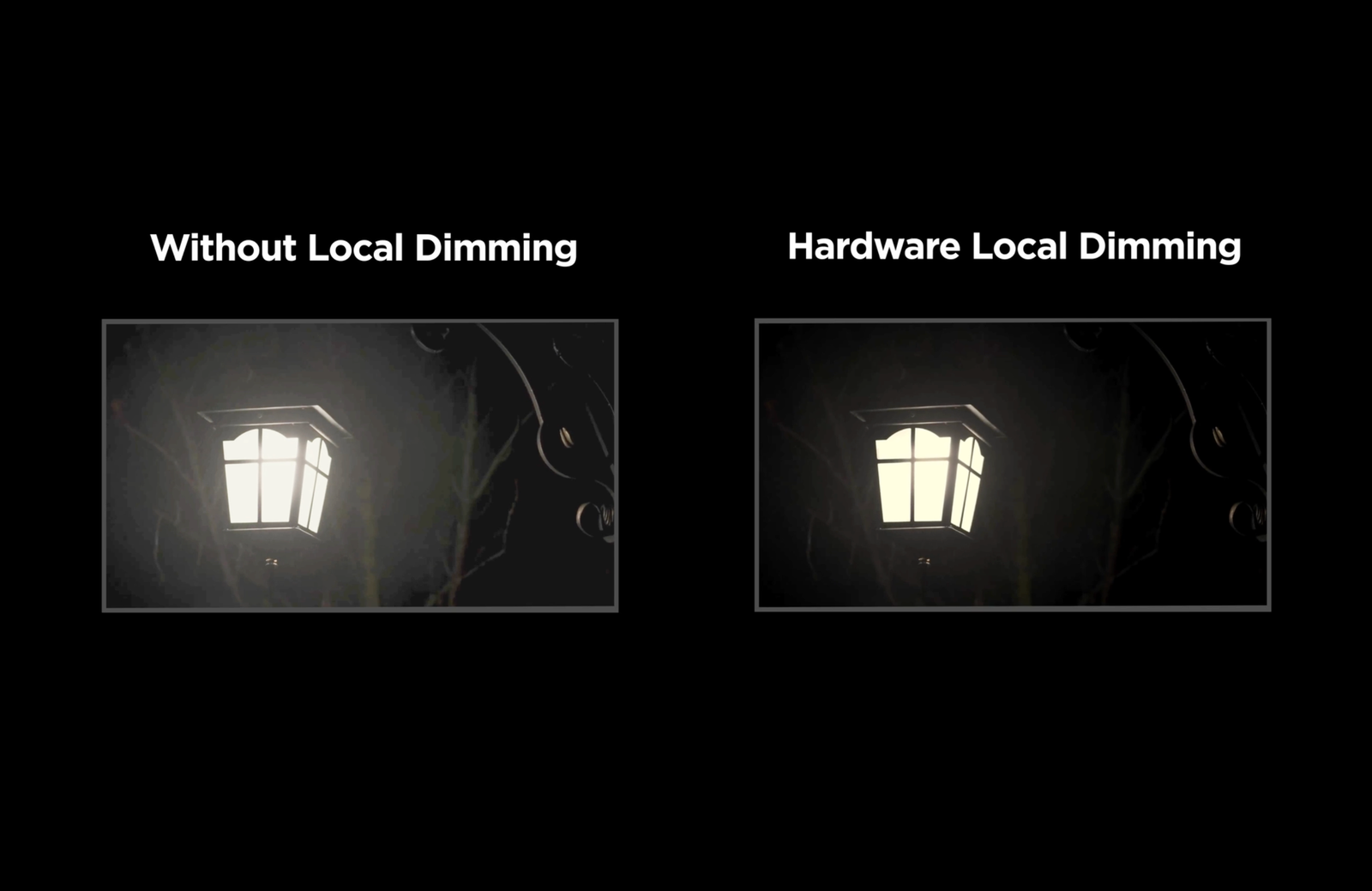
The first is hardware local dimming. In a hardware-based system, physical groups of LEDs can be brightened, dimmed or switched off independently across different areas of the screen. This gives the television more direct control over how light is distributed within a single image.
The second is local dimming zone count and precision. A higher number of independently controlled zones can allow the backlight to respond across smaller areas of the picture. This can help improve the separation between bright highlights and surrounding dark regions when other major conditions are comparable. The number alone doesn’t tell you everything, but it gives a good idea of how finely the backlight can be controlled.
The third is backlight architecture. Full Array Local Dimming places controllable zones across the area behind the panel, providing the physical foundation for more localised light management than designs that illuminate the panel from the edges or operate the backlight more uniformly.
Together, these three elements move the Mini LED conversation beyond a simple question of whether the technology is present. They provide a more useful way to ask how effectively the television’s light is being controlled.
Where TCL enters the category conversation
These principles matter more as Mini LED grows into a major television category, and TCL has grown with it. According to Omdia data reported by TCL Electronics, TCL held a 31.1% share of global Mini LED TV shipments in 2025, with shipments up 118.0% year on year. That momentum carried into 2026. In the first half of the year, TCL ranked No. 1 globally by Mini LED TV shipment volume, shipping 2.43 million units, a 77.1% increase year on year.
Market scale does not, on its own, define technology leadership. What it does provide is evidence that a manufacturer has become a significant participant in the development and adoption of the category.
For a company operating at that scale, the conversation around Mini LED can extend beyond how widely the technology is adopted. It can also include helping consumers understand the differences between implementations and the hardware decisions that influence performance.
Defining category leadership
Category leadership in Mini LED should therefore be broader than shipment rankings. It can be understood through four connected areas: sustained market scale, continued investment in the fundamentals of backlight performance, clearer performance criteria, and education that helps consumers distinguish between different implementations of the technology.
This is where the idea of the good Mini LED becomes useful. It does not require creating a new certification or suggesting that every television should perform identically. It simply encourages a more complete discussion of the hardware and architecture behind the Mini LED name.
For consumers, that means looking beyond the badge and understanding the role of hardware local dimming, dimming zone precision and Full Array Local Dimming. For manufacturers, it means making those differences easier to explain.
The next chapter of Mini LED will not be decided by how many televisions carry the name. It will be decided by how well people understand what sits behind it. Consumers can start by asking how a television controls its light, and the industry can answer in plain terms. That shared language is what turns adoption into informed choice, and it is what the good Mini LED is really about.













Leave a Reply