



Standard Chartered Global Research Briefing 2026: 5 Powerful Insights on Pakistan’s Economic Future
Standard Chartered Pakistan has brought together senior business leaders, clients and industry stakeholders at its Standard Chartered Global Research Briefing 2026 in Karachi to examine the global economic and geopolitical developments influencing business, trade and investment decisions.
The event provided a platform for discussions on Pakistan’s economic outlook, international trade relationships, geopolitical risks and opportunities for sustainable growth. Speakers also highlighted the importance of strengthening economic competitiveness, attracting productive investment and expanding Pakistan’s participation in regional and global markets.
The programme featured policymakers, international economists and business leaders who shared perspectives on the challenges and opportunities shaping the country’s economic future.
State Bank Governor Highlights Pakistan’s Economic Progress
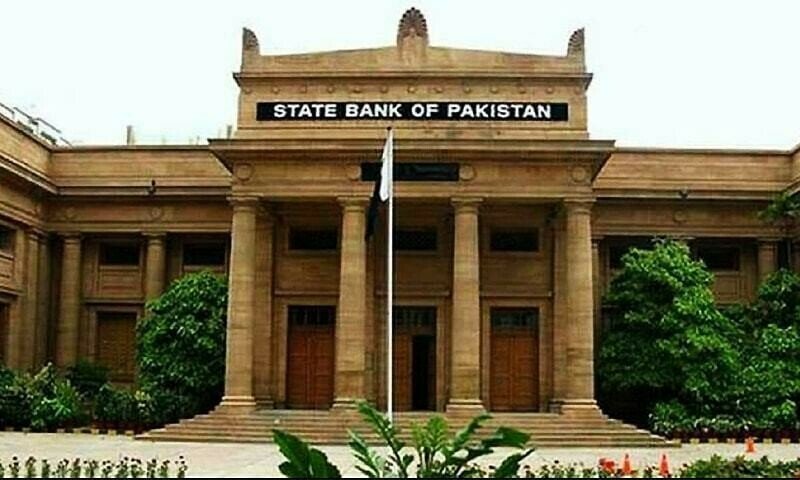
The briefing opened with a keynote address by Jameel Ahmad, Governor of the State Bank of Pakistan (SBP), who discussed the country’s evolving economic landscape and progress towards macroeconomic stability.
His address highlighted the importance of maintaining economic momentum while focusing on the priorities required to support sustainable, long-term growth.
The discussion came at an important time for Pakistan, as businesses and investors continue to assess the country’s economic direction, policy environment and prospects for investment.
Macroeconomic stability, predictable policies and a supportive business environment remain important considerations for strengthening investor confidence and encouraging productive economic activity.
Global Economists Examine Geopolitical and Economic Risks
The Standard Chartered Global Research Briefing 2026 also featured Philippe Dauba-Pantanacce, Global Head, Geopolitical Strategist and Senior Economist at Standard Chartered, and Talha Nadeem, Economist for the Middle East and North Africa at Standard Chartered.
Both speakers shared their perspectives on changing global economic conditions and the implications for businesses and investors.
Their discussions covered several developments influencing international markets, including:
- Shifting global trade relationships: Changes in international trade patterns and commercial partnerships.
- Geopolitical fragmentation: The impact of geopolitical divisions on global economic cooperation and business decisions.
- Energy and shipping risks: Potential disruptions affecting energy markets, supply chains and international transportation.
- Changing capital flows: How evolving global conditions influence investment decisions and the movement of capital across markets.
These discussions highlighted the importance of understanding international developments when making business and investment decisions in an increasingly interconnected economy.
Pakistan’s Path to Trade, Investment and Export Growth
A major highlight of the event was a panel discussion titled “From Connectivity to Competitiveness: Pakistan’s Path to Trade, Investment and Export Growth.”
Moderated by Aazam Mirza, Head of Markets and Corporate Sales, Pakistan, the session examined the structural changes needed to strengthen Pakistan’s position in regional and international markets.
Panellists discussed the importance of industrial productivity, policy predictability, structural reforms and improving the ease of doing business.
The conversation also explored opportunities for export diversification and stronger commercial relationships across important regional trade corridors.
These included:
- China
- Gulf countries
- Central Asia
- Türkiye
Strengthening commercial connections across these markets could create opportunities for Pakistani businesses to diversify exports, develop new partnerships and expand their international presence.
The discussion reinforced the importance of moving beyond trade connectivity towards greater competitiveness, productive capacity and sustainable export growth.
Standard Chartered Highlights Pakistan’s Investment Potential
Speaking at the event, Adil Salahudin, CEO and Head of Coverage at Standard Chartered Pakistan, said the country had reached an important stage in its economic journey.
He emphasised that improving economic stability provides an opportunity to look beyond immediate challenges and focus on the factors that can support sustainable long-term growth.
According to Salahudin, strengthening competitiveness, attracting productive investment and increasing participation in regional and global trade will be essential for Pakistan’s economic progress.
He also highlighted Standard Chartered’s international network, explaining how the bank connects Pakistani businesses with markets, capital and commercial opportunities across major global trade corridors.
He added that platforms such as the Global Research Briefing bring together international research and local perspectives, helping clients understand changing market conditions and identify emerging opportunities.
Connecting Pakistani Businesses to Global Opportunities
The Standard Chartered Global Research Briefing 2026 reinforced the bank’s position as a connector between Pakistani businesses and international markets.
By combining its global network, research capabilities and local market expertise, Standard Chartered aims to help clients navigate geopolitical uncertainty, understand economic developments and identify opportunities for growth.
The discussions in Karachi also highlighted the broader priorities facing Pakistan’s economy, particularly the need for consistent reforms, stronger industrial productivity, export diversification and greater investment.
As global trade relationships continue to evolve, the ability to connect local businesses with international markets and capital will remain important for Pakistan’s economic competitiveness.








Leave a Reply