



Mini LED Picture Quality: 3 Essential Tips to Choose Better
Mini LED picture quality is not guaranteed by the words on the box. The label has become standard on televisions in 2026, yet it says little about how good the picture will actually be. Here is how the term lost its meaning, and the three checks that tell a good panel from a weak one.
A Genuine Advance, Then a Marketing Catch-All
Mini LED is a real engineering achievement. Smaller LEDs let manufacturers pack many more of them behind the same panel. That divides the screen into far more independently controlled zones of light and dark.
Done right, this brings contrast and detail that once required a much more expensive display technology.
The problem is what happened next. Like “4K”, “Smart TV” and “HDR” before it, “Mini LED” started as a technical claim and became a checkbox. Brands now apply it across product ranges even when a model does not truly deliver the idea behind it.
The Label Describes the Part, Not the Performance
Strictly speaking, “Mini LED” describes the size of an LED chip. It does not tell you how many LEDs sit behind the screen, how they are arranged or, most importantly, how intelligently their brightness is controlled.
A manufacturer can use miniature LEDs and still wire them in a way that delivers little of the benefit. Such a TV is not lying when it calls itself Mini LED. It simply leaves out the part that decides whether Mini LED picture quality is actually good.
3 Questions That Separate the Pack
The gap between a well-built and a poorly built panel comes down to three checkable factors. None needs an engineering degree, and none requires taking a brand’s word on faith.
- Is local dimming handled by hardware or approximated in software?
- How many independently controlled dimming zones does the panel really have?
- Is the backlight a full array behind the whole screen, or only strung around the edges?
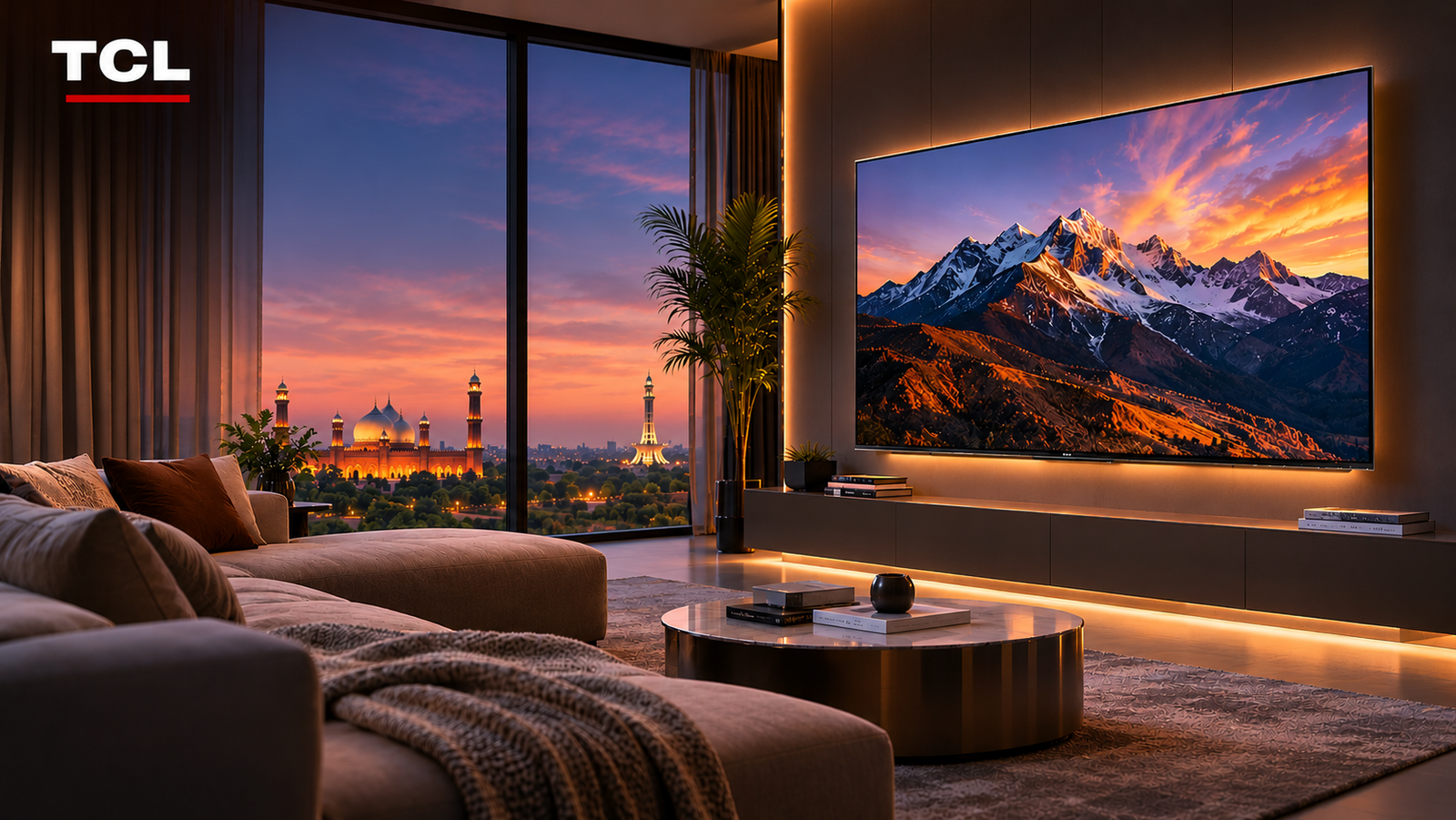
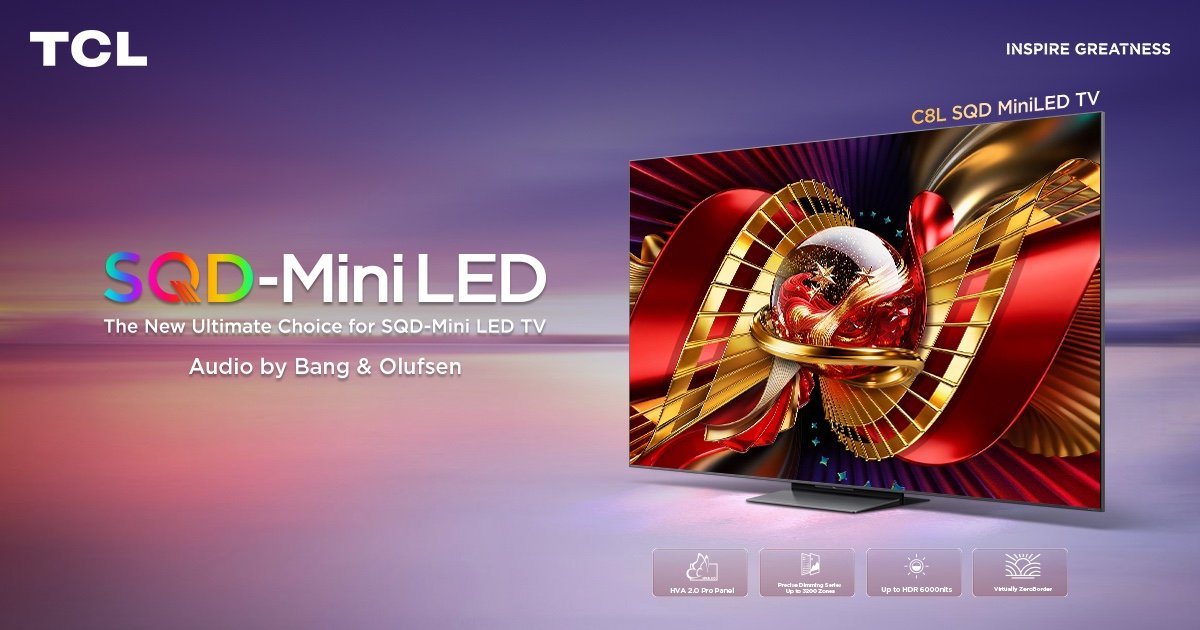
A small but growing number of manufacturers now publish at least part of this information. TCL, for example, lists dimming-zone counts across its Mini LED range sold in Pakistan. That is a useful reference for what fuller disclosure can look like, though the underlying hardware architecture is still not spelled out.
Why This Matters More Now
Mini LED prices continue to fall, and the technology is moving from flagship models into the mid-range and budget tiers. That is the segment most Pakistani buyers shop in.
As a result, assuming that “Mini LED means Mini LED” will cost shoppers more over time. Each of the three questions is simple enough to check without technical knowledge, and each matters more than almost anything else printed on the box.
A Practical Way to Shop
When you visit a showroom this year, ask the salesperson about all three points before you compare prices. If a seller cannot answer, check the manufacturer’s website or spec sheet. Missing information is itself a useful signal.
Final Thoughts on Mini LED Picture Quality
Mini LED picture quality comes from execution, not from a label. Hardware-controlled dimming, a high number of real dimming zones and a full-array backlight are the details worth asking about. Armed with these three questions, buyers in Pakistan can compare TVs on substance rather than a sticker.









Leave a Reply