












Industry Cannot Carry the Power Sector’s Burden Any Longer: Gohar Ejaz Warns
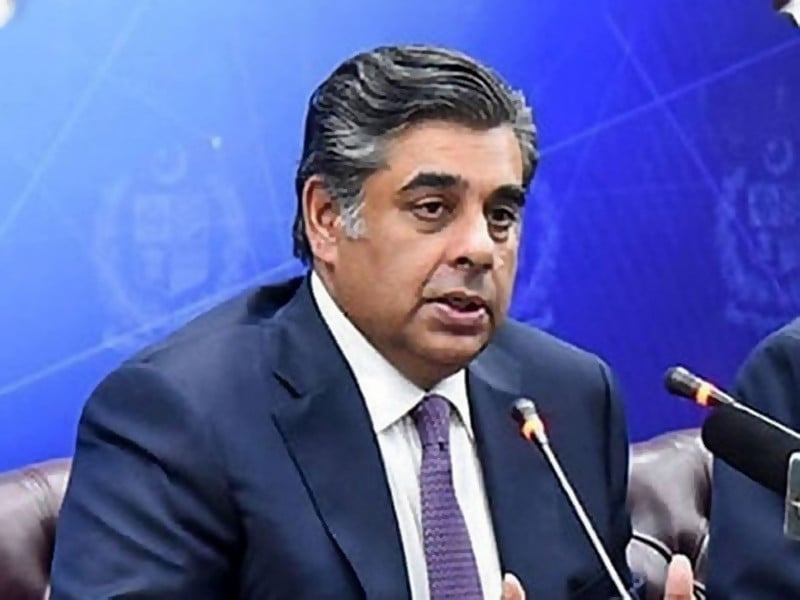
Islamabad: Pakistan’s industrial sector is being pushed to the brink by an unjust electricity pricing regime that forces industry to bankroll government failures in the power sector, Chairman of the Economic Policy and Business Development (EPBD) think tank and former caretaker federal minister Gohar Ejaz said on Tuesday.
Speaking in the context of the NEPRA tariff rebasing hearing, Ejaz highlighted that the power sector will require a staggering Rs 629 billion in subsidies, while the government has allocated only Rs 248 billion. The remaining gap, he said, is being unfairly bridged through cross-subsidisation, with industry bearing the heaviest burden.
“This is nothing short of a hidden tax on industry,” Ejaz said. “The government is not paying its share, so industry is being forced to subsidise other consumer categories. This has made Pakistani industry uncompetitive, both regionally and globally.”
According to Ejaz, if industrial consumers were charged purely on cost-of-service principles—without cross-subsidies—electricity tariffs for industry would be close to 9 US cents per unit even today, despite inefficiencies, governance failures, and systemic losses in the power sector.
He warned that persistently high energy prices are choking industrial activity, leading to plant shutdowns, declining exports, and job losses across the country.
“It is the industrial sector that is subsidising other consumers on behalf of the government. This model is unsustainable.”
Ejaz posed a stark question to policymakers: What happens when industry collapses?
“If factories shut down, who will employ millions of industrial workers? Who will earn the foreign exchange needed to keep the economy afloat?” he asked.
He stressed that cross-subsidy policies are economically destructive, eroding Pakistan’s manufacturing base and accelerating de-industrialisation.
Calling for urgent reform, Ejaz urged the government to fully fund power sector subsidies transparently through the federal budget, end cross-subsidisation that penalises productive sectors, reduce inefficiencies and losses in distribution companies and align industrial energy tariffs with regional competitors.
“Industry cannot and will not carry the power sector’s burden any longer,” Ejaz concluded. “If Pakistan is serious about growth, exports, and employment, it must stop treating industry as an endless source of revenue to cover policy failures.”