



Denosumab Biosimilars in Pakistan: 2 Essential Options for Better Access
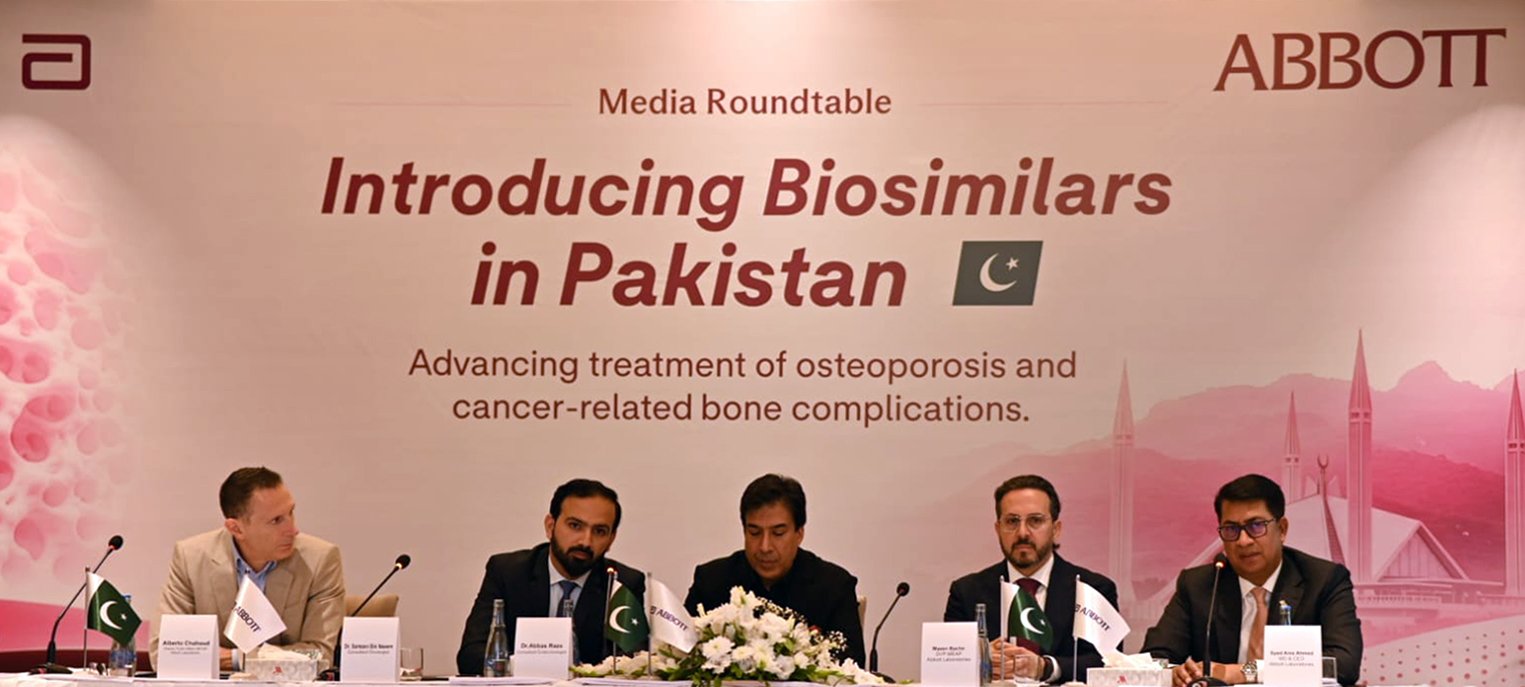
ISLAMABAD, Nov. 26, 2026: Denosumab biosimilars in Pakistan have taken a step forward. Abbott has received product registration from the Drug Regulatory Authority of Pakistan (DRAP) for 60 mg and 120 mg denosumab biosimilars. The company says the medicines will make an advanced biologic treatment more affordable and accessible for people with osteoporosis and cancer-induced skeletal-related events.
What Abbott Has Announced
Abbott will market both strengths. The 60 mg biosimilar is aimed at people with osteoporosis, and the 120 mg biosimilar at people with cancer-induced skeletal-related events.
Mazen Bachir, Division Vice President of Abbott’s medicines business in the Middle East, Africa and Pakistan, said access to the 60 mg version can be very meaningful for people with osteoporosis. He said the same applies to the 120 mg version for cancer-related bone events.
The announcement does not give prices or a launch date for pharmacies. Patients should ask their doctor or pharmacist for availability.
Why Denosumab Biosimilars in Pakistan Matter
According to the Journal of the Pakistan Medical Association, nearly 10 million people in Pakistan are estimated to have osteoporosis. Women account for about 7.2 million of those cases. As the population ages, more people are expected to be at risk of osteoporosis and fragility fractures.
A Growing Burden
A study in Islamabad and Rawalpindi found osteoporosis in 56% of postmenopausal women assessed with DEXA, a scan that measures bone density. Fragility fractures, especially of the hip and spine, contribute significantly to disability, healthcare costs, loss of independence and mortality in older adults.
What the Clinical Evidence Says
The press release cites a Phase III SIMBA study published in Pharmaceutics (2026). It reports that the biosimilar MB09, marketed by Abbott in Pakistan, showed clinical similarity to the reference biologic. The study found comparable efficacy and safety, with equivalent protection against bone mass loss in postmenopausal women.
Part of a Wider Strategy
Abbott says it will provide denosumab as part of a plan to widen access to quality medicines in oncology, immunology and women’s health, through partnerships with biotechnology companies. In Pakistan, that includes biosimilars in oncology, where the company says unmet need is high.
Professor Syed Abbas Raza, an endocrinologist and past president of the International Society of Endocrinology, said maintaining bone health is essential to preserving independence and quality of life. He said quality therapies give more treatment options to those who need them most.
Abbott’s Presence in Pakistan
Abbott says it has been in Pakistan for nearly 80 years and has more than 135 years of history worldwide. It says the new options reinforce its efforts to combat chronic diseases in the country.
Final Thoughts on Denosumab Biosimilars in Pakistan
The arrival of denosumab biosimilars in Pakistan adds two registered treatment options for conditions that affect millions. This article is for information only and is not medical advice. Anyone with osteoporosis or cancer-related bone concerns should talk to a doctor about whether these medicines are right for them.








Leave a Reply